ENGINEERING • SUPPLY • EPC • RETROFITTING
◉ Global Solutions for a More Reliable Tomorrow

Resistance-grounding systems for industrial power networks, used to limit single-phase ground-fault current while retaining sufficient current for protective relays.
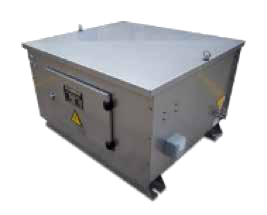
Neutral Grounding Resistors are generally connected between ground and the neutral point of transformers, generators or grounding transformers. Their purpose is to limit maximum fault current to a level that protects power-system equipment while allowing protection devices to clear the fault.
Reduces single-phase fault current to help prevent damage to transformers and generators.
Reduces temporary overvoltages associated with ground faults.
Helps extend switchgear service life.
Reduces step voltage to safer levels for personnel.
Bolted resistor-element connections allow rapid on-site spare-part replacement.
High thermal capacity, high-altitude ratings and rugged shock-resistant construction.
LMZ resistor systems are selected around the network, current, voltage, thermal duty, operating cycle and environmental requirements of the application.
Back to Resistors